Water utility AI architecture, written down.
Sovereign deployment. AES 256 encryption. Sub two second inference. 100,000 tag scalability. Read only SCADA integration. The full V1.0 technical spec is three pages.
Most enterprise AI platforms publish a homepage and a contract. AquaSys AI™ publishes a homepage, a contract, and a technical spec the procurement team can take to the security review. The non functional requirements are listed, not implied.
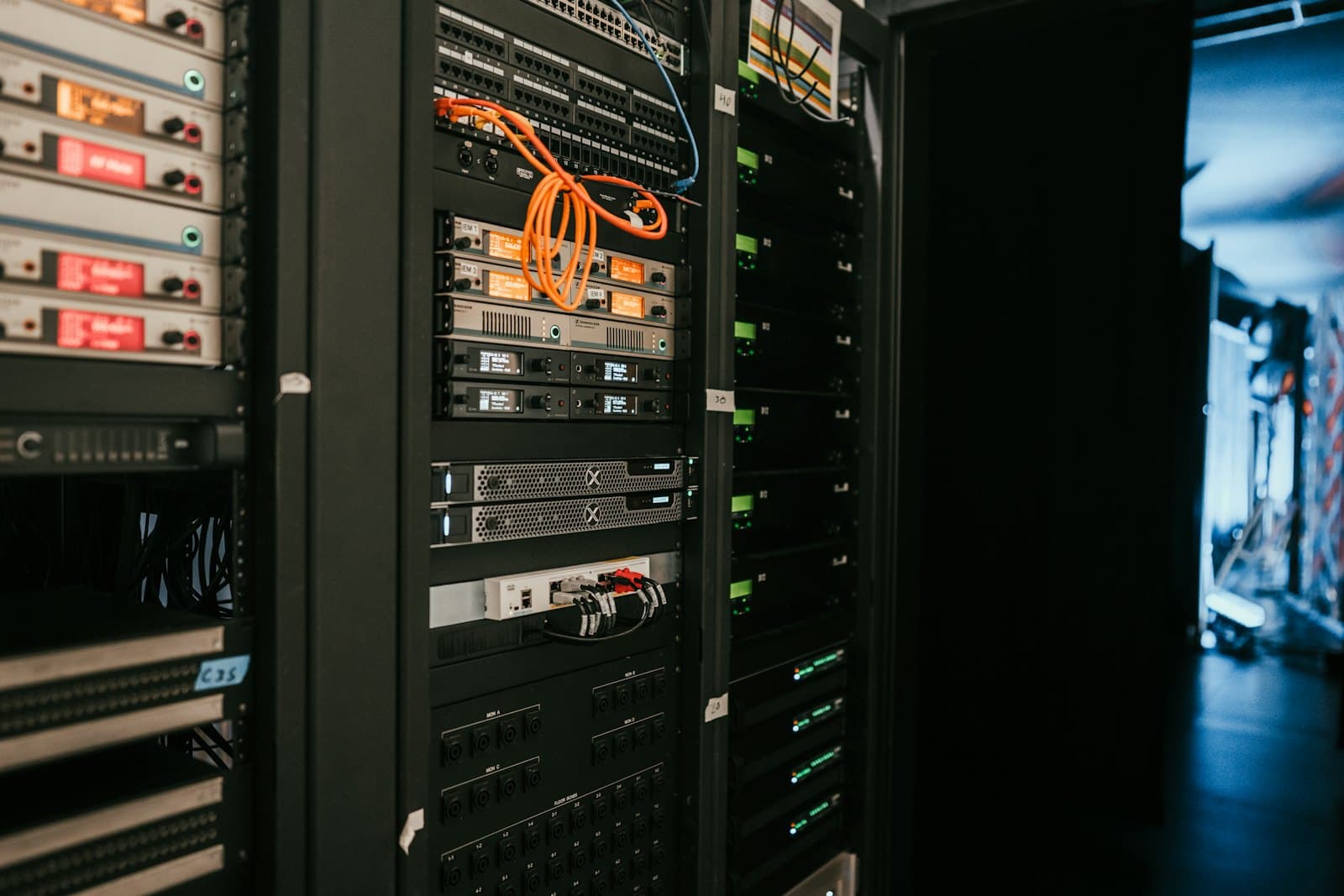
Architecture overview.
Bridge, do not replace
AquaSys AI™ is an overlay, not a control system. The platform reads from your SCADA layer, your historians, your geotechnical document store, and your GIS. It writes nothing back to the control plane. The existing stack stays in place.
Three pillars on one fabric
Core Intelligence (hydrology and dam safety models), the Intelligent Control Engine (SCADA overlay), and Syfter (agent of agents reasoning) share one data fabric. A piezometer reading processed by Core Intelligence is the same piezometer reading Syfter cites in its answer two minutes later.
The Vector Sheet Framework.
Most water utility knowledge lives in three places that AI normally cannot read: legacy Excel sheets, scanned geotechnical PDFs, and engineer’s notes. The Vector Sheet Framework is the proprietary step that turns that material into something the AI can search — so a question asked in 2026 can be answered with the methodology written down in 2003. It is schema-marked and trademarked.
- 01Ingest. Excel sheets, scanned PDFs, GIS layers, and engineers’ notes are pulled in as-is.
- 02Vectorise. Each source is schema-marked and converted to vector form, preserving its structure and provenance.
- 03Retrieve. At query time, the relevant passages are retrieved and handed to Syfter as grounded facts.
- 04Cite. The answer ships with a Citation Path back to the exact sheet, page, or note it used.
Non functional requirements.
NFR 01 · Sovereignty
Deployment in customer VPC or on premise. No customer data is required to leave the customer environment. Optional federated model updates are off by default.
NFR 02 · Security
AES 256 encryption at rest and in transit. RBAC. SSO and SAML supported. SOC 2 Type II in audit.
NFR 03 · Auditability
Every Syfter answer carries a Citation Path. Every alert produced by ICE carries the source tag, the source rule, and the source threshold. Every recommendation from the Compliance Agent carries the source regulation clause.
NFR 04 · Performance
Sub two second inference latency at the 95th percentile. 100,000 tag scalability per site. Forecast generation completes within the 72 hour window even on the largest sites tested.
NFR 05 · Integration
OPC UA, MQTT, Modbus, DNP3, REST, and standard historian connectors. Ignition, Wonderware, and proprietary stacks supported as standard.
NFR 06 · Customization
Configured to your organization, not a fixed template. Agents, workflows, alert thresholds, and dashboards are tailored to your assets, regulations, and operating procedures.