A non invasive AI overlay for the SCADA you already run.
Alarms rationalised. Maintenance forecast 14 days out. Ignition, Wonderware, Modbus, DNP3, and proprietary historians supported as standard.
The SCADA stack in a typical water utility was assembled over 20 years. It works. The problem is not the SCADA. The problem is that it now produces more alerts in a day than a control room can read in a week, and the patterns hiding inside that volume never reach the operator.
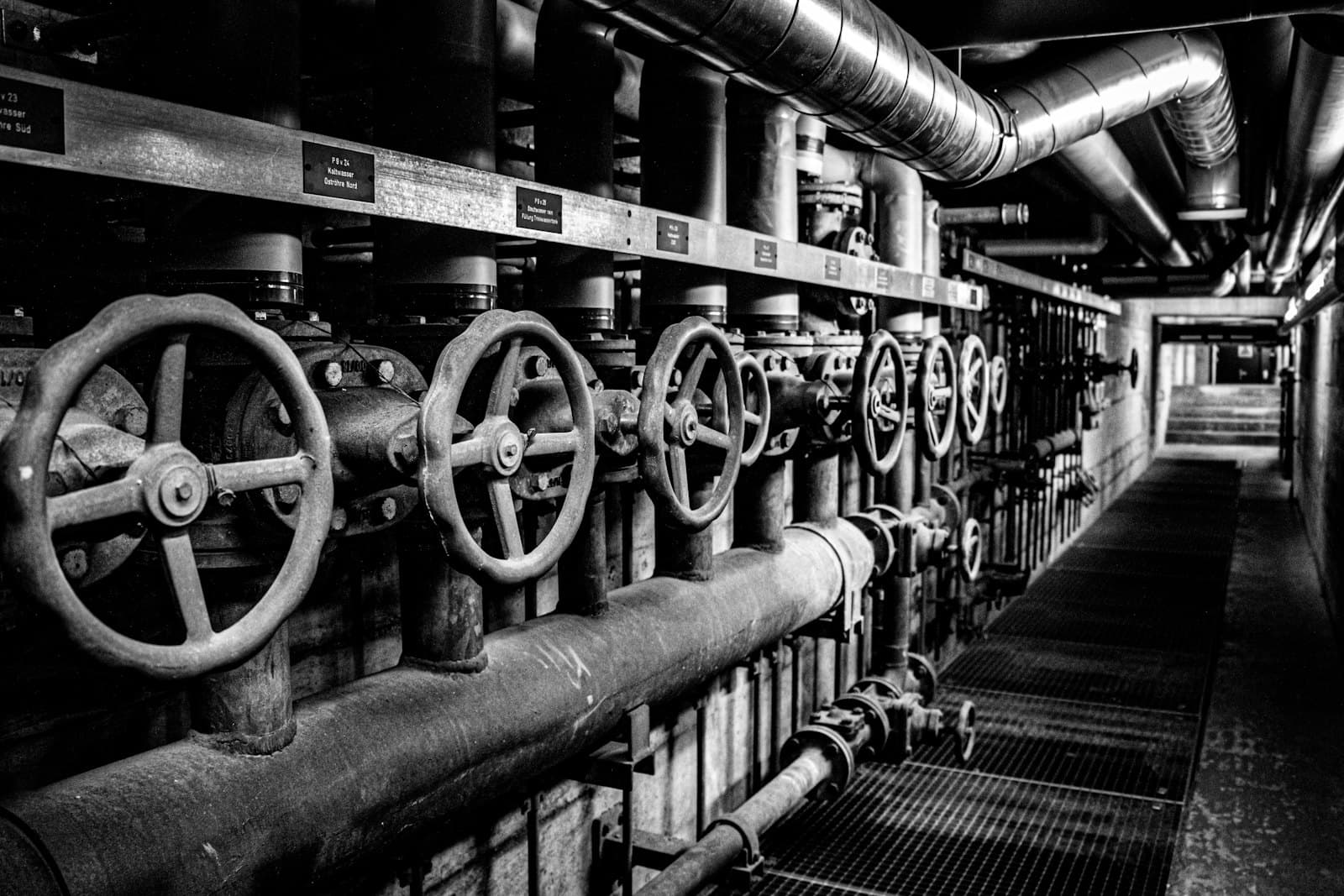
A control room drowning in noise.
Alarm fatigue
The vast majority of alarms in a typical water control room are noise. The exact share varies by site. The operator response to them does not.
Reactive maintenance
Unplanned downtime costs more than scheduled downtime by a wide margin. Most pump and motor failures have a measurable signature 7 to 14 days before they fail.
Integration risk
Every rip and replace project is a year of project cost before the first benefit lands. ICE is built to make that unnecessary.
What the system does.
Alarm rationalisation
Alarms are clustered, deduplicated, and prioritised by criticality. The operator sees the actionable few, not the noisy many.
Predictive maintenance
Pump and motor failures forecast up to 14 days out, with the failure mode identified, the work order drafted, and the spare parts checked against inventory.
Non invasive integration
ICE reads from the SCADA layer. It does not write to it. Control logic is unchanged. Operators retain full authority over set points and overrides.
Shift handover
Each shift starts with a citation backed summary of what happened, what is trending, and what to watch. Handover stops being a verbal walk through.
How it deploys.
Read only overlay on the existing SCADA and historian. Sovereign deployment in customer VPC or on premise. AES 256, RBAC, SSO and SAML. 30 day pilot, scoped to one control room, with a documented outcome at the end.
What to expect.
ICE is designed to suppress the bulk of nuisance alarms and to forecast failures before they happen. It publishes its own performance per site, so you see exactly how it is doing on your control room — and we’ll publish verified results as our pilots produce them.
FAQ.
Does ICE write to the SCADA layer?
+No. ICE is read only. Set points and control logic are not modified.
Which historians and protocols are supported?
+Ignition, Wonderware, Modbus, DNP3, and OPC UA out of the box. Proprietary historians are supported through the standard integration kit.
How fast does it learn the site?
+The alarm rationalisation model produces useful suppression rates inside 30 days on a typical site. Predictive maintenance accuracy improves with run time and reaches a stable performance curve at around 90 days.
The rest of the platform.
Run ICE on one control room for 30 days. See the alarm volume drop before the pilot ends.